 Kitchen AI
 Modern
 Scandinavian
 Japandi
 Modern farmhouse
 Industrial
 Quiet luxury
Kitchen style
A Scandinavian Kitchen, Designed and Seen in Your Own Space
Light oak, white cabinets and as much daylight as possible. Take a photo of your kitchen and see how that light, calm mood plays out at your place.

Free to try. No account needed.
Features
What Makes a Kitchen Scandinavian
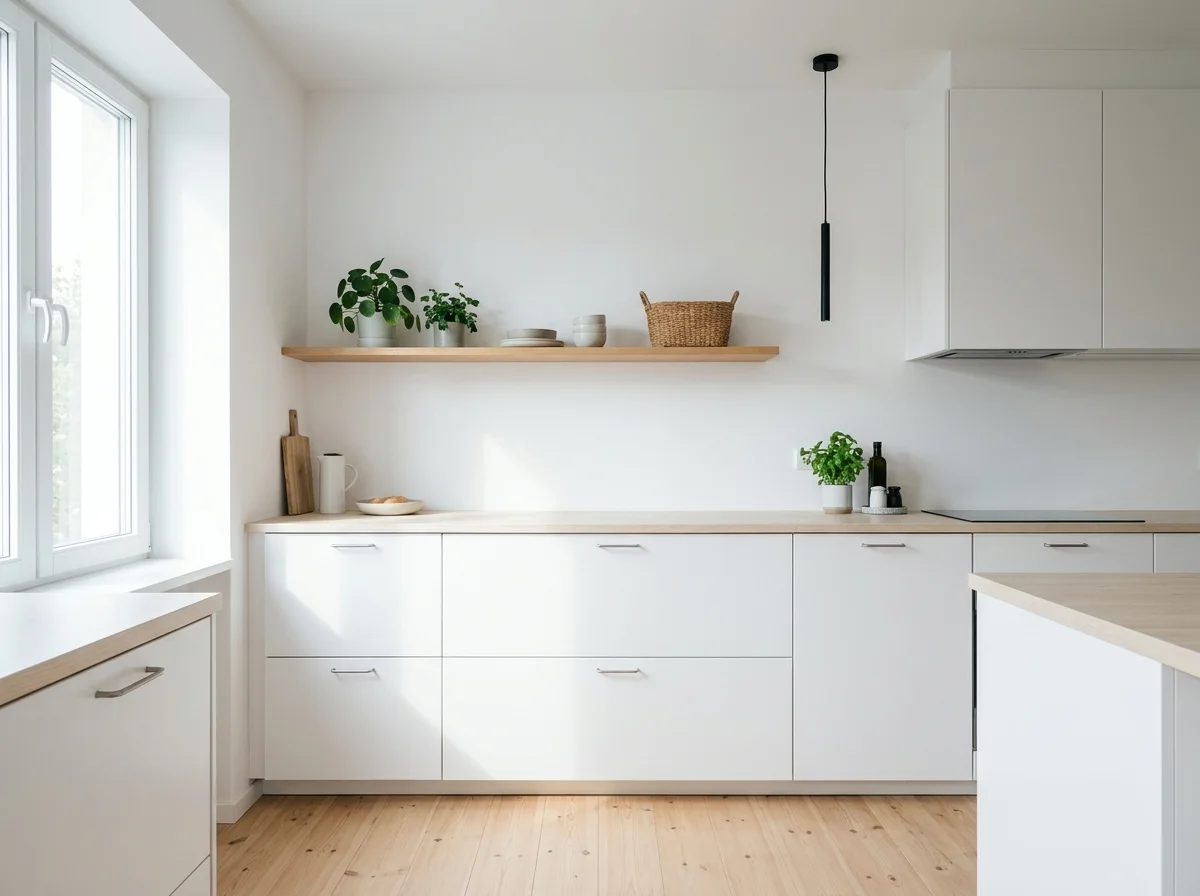
Ask ten people what Scandinavian design means and light is the first word out of nine of them. The rest of the look follows from that one priority.
Light is the starting point. White or off-white cabinets bounce daylight through the room, and anything that could read dark stays deliberately out of the mix. In countries with short winter days that was never a style choice, it was a necessity, and it still shows.
Wood carries the warmth. Not as the main material, but as an accent: a wood countertop, an open shelf, a floor in light oak or pine. The grain can show, but the color stays pale.
Beyond that, the style is mostly practical. Simple flat cabinets, a single slim pull, open shelving holding things you actually use. Countertops stay clear, and what sits out is meant to be seen.
An island, if there is room for one, usually gets a butcher block top or a painted base in a soft color, never a bold top and a bold base at the same time. Open shelving above it, holding a few well-used pieces, does more for the room than a run of closed wall cabinets.
Materials
What a Scandinavian Kitchen Is Built From
These are the combinations that come back most often in this style. In the app you choose them separately, so you can also change just one element.
Cabinets
Flat matte doors in white or off-white, with maybe one light wood cabinet worked in between. A slim bar pull or a routed finger edge, never a heavy knob. A slim, unlacquered brass or matte black pull is the one piece of hardware allowed to show, and it barely does.
Countertop
Light oak, ash or birch butcher block, or a white quartz if you would rather skip the oiling. The wood countertop is what gives the kitchen its warmth, so let it show instead of hiding it. If you cook often, ask about a food-safe oil finish you can refresh yourself every year or two rather than a factory sealant.
Backsplash
Small white tile, or simply a plastered wall in the same tone as the rest of the room. Keep the grout light: a dark grout line pulls all the attention immediately. Rectified tile with a tight, straight grout line keeps the wall reading as one calm plane rather than a pattern.
Flooring
Light oak or pine in wide boards, whitewashed if you like. A pale floor makes the ceiling feel higher and keeps the whole room feeling airy. Prefinished engineered boards hold up better against a kitchen's spills and temperature swings than solid wood in the same light tone.
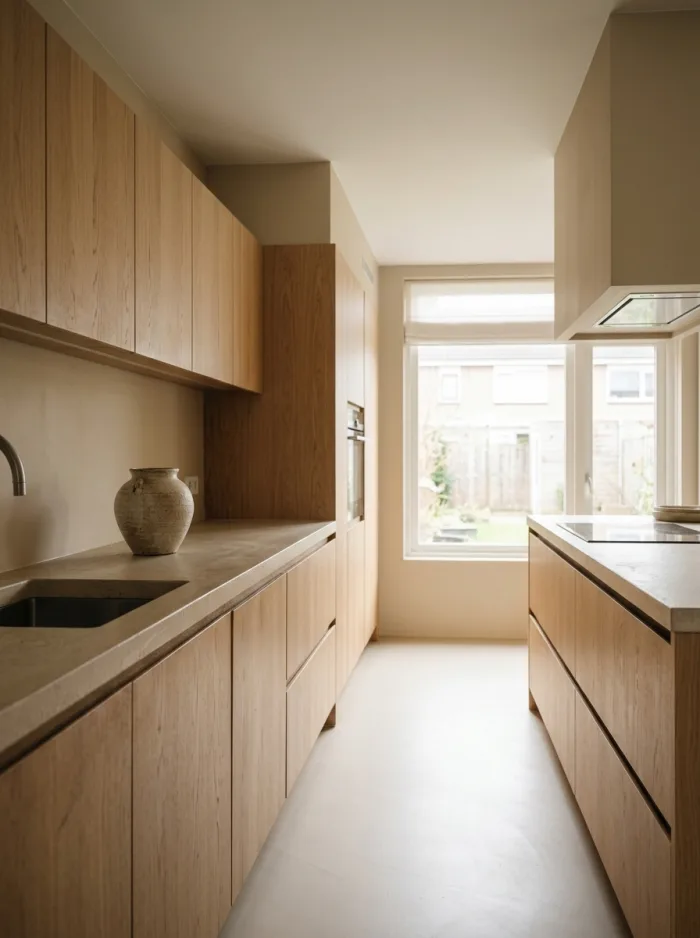
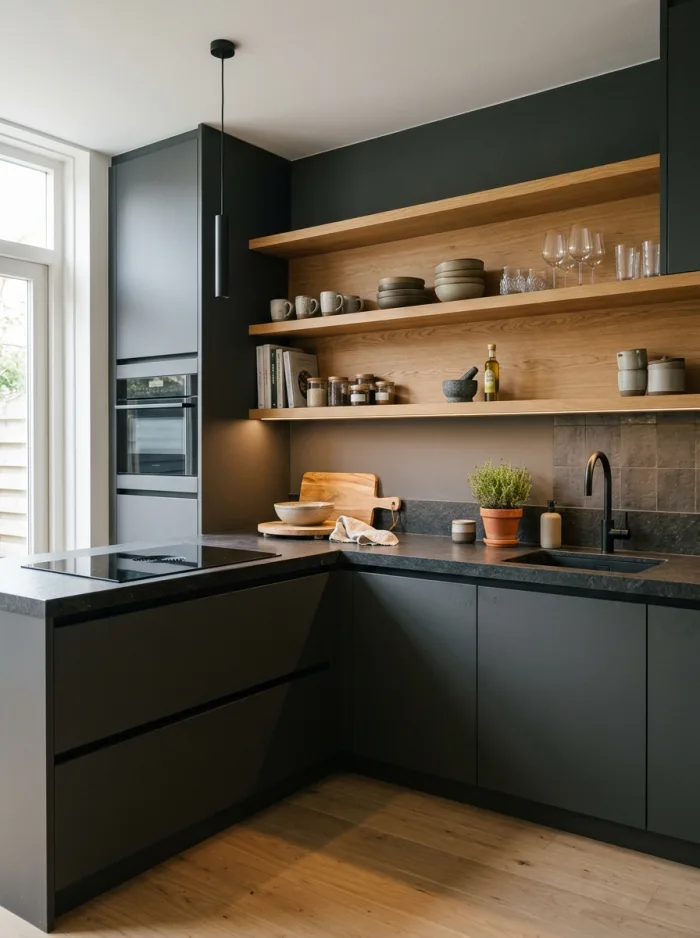
White and wood in different ratios. The more wood you bring in, the warmer it reads. Try both against a photo of your own walls, since the amount of daylight you actually get should settle the ratio, not a showroom photo.
Your space
Does a Scandinavian Kitchen Fit Your Space?
Where you live, and how much of the year is gray outside, matters more for this style than for almost any other on this list.
This is the style that does the most for a room with little daylight. A north-facing kitchen or a back room with a single window visibly brightens up with white cabinets and a pale oak floor. No more light comes in, but what does arrive stays around longer.
It works for the same reason in smaller kitchens. The light, even surfaces make the walls recede, and open shelving in place of a row of wall cabinets removes visual weight.
If you already have a large kitchen with plenty of daylight, all-white can start to feel flat. Bring in more wood to counter it: a wood countertop running the full length, or a few wood cabinets mixed in among the white ones. That is exactly the kind of trade-off you can set side by side in the app in a few taps.
It also suits a starter home or a rental-adjacent kitchen you are refreshing on a budget, since white paint and a butcher block top go a long way without a full gut renovation. Try it against your actual cabinets first, since undertones vary more than you would expect from a photo alone.
How it works
See It in Your Own Kitchen, Not a Showroom
- 1
Take a photo
Photograph your current kitchen or an empty room. That is all the app needs to get started.
- 2
Pick your materials
Choose the cabinets, countertop, backsplash and flooring, or copy the look of a kitchen you like.
- 3
Compare directions
Save the variants side by side and see which one fits your space before you commit to anything.
Frequently asked
About This Style
What is the difference between Scandinavian and Japandi?
They look related and share a love of wood and simplicity, but Scandinavian is lighter and whiter, Japandi warmer and more muted. Scandinavian takes white as the base with wood as an accent; Japandi flips that, with wood as the base and walls in sand and clay tones.
Which wood works best in a Scandinavian kitchen?
Light species with a calm grain: oak, ash, birch and pine. Left natural or whitewashed, so it stays pale. Darker woods like walnut or wenge pull the whole look in a different direction.
Does this style work in a dark kitchen?
That is exactly where it helps most. Light cabinets and a pale floor bounce back what little daylight there is, so the room feels less closed in. Keep the countertop light too, and skip a dark backsplash.
The images the app produces are AI-generated and give an impression, not a technical drawing. Read how we mark that in the AI transparency notice.
More directions
Other Kitchen Styles
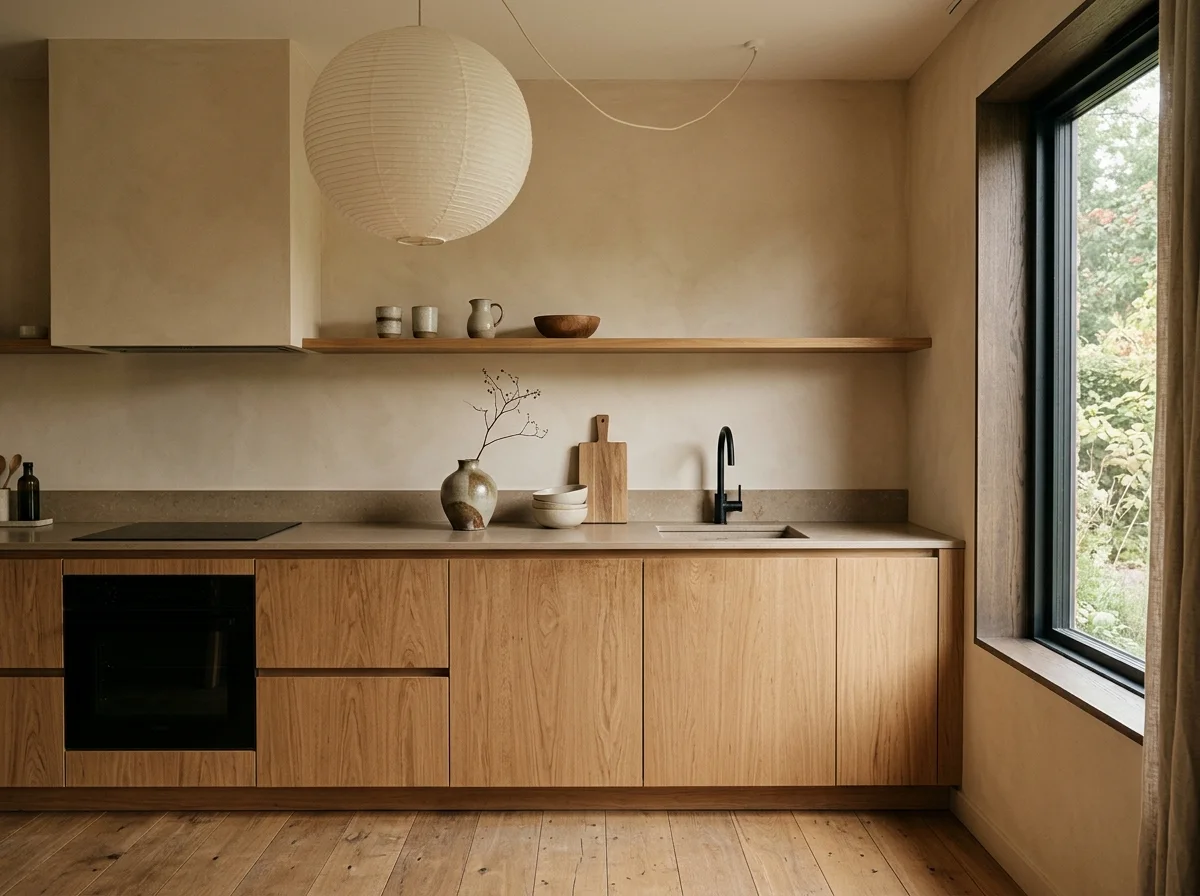
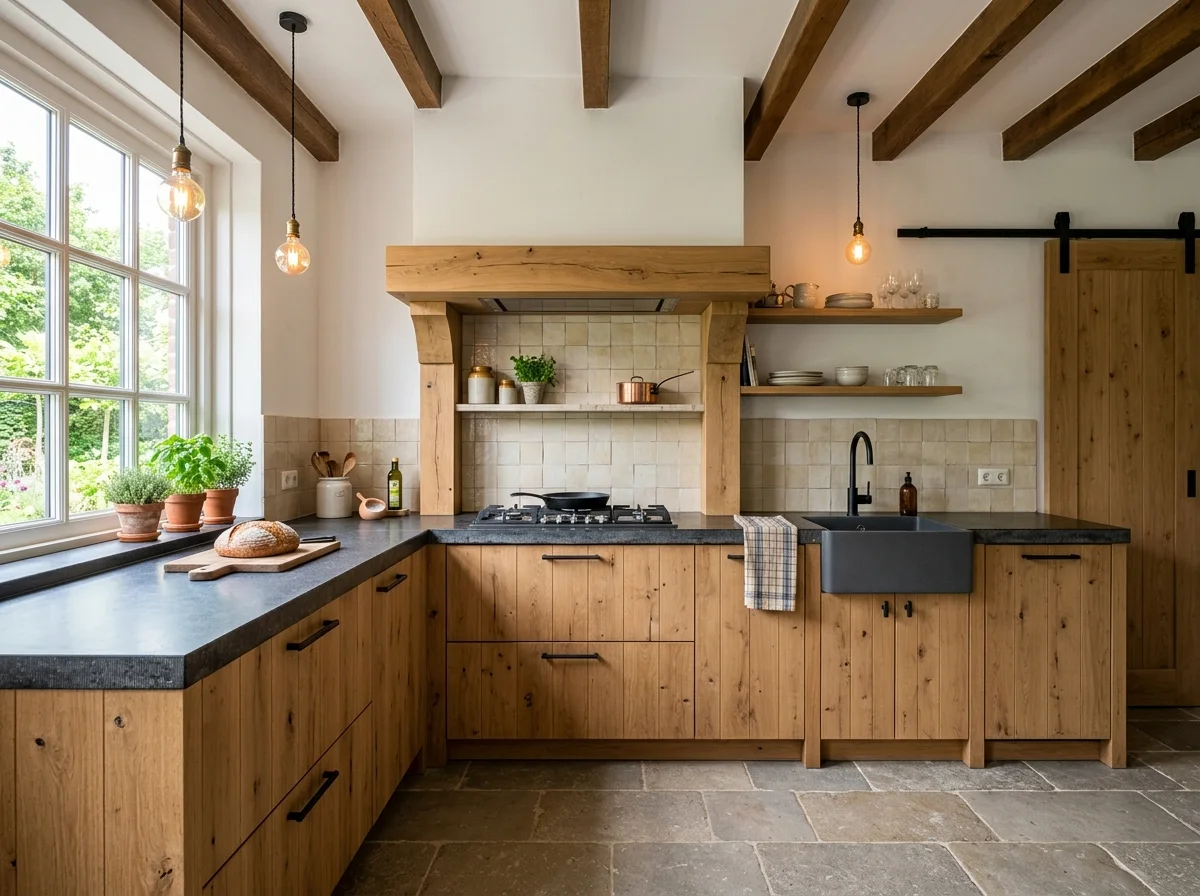
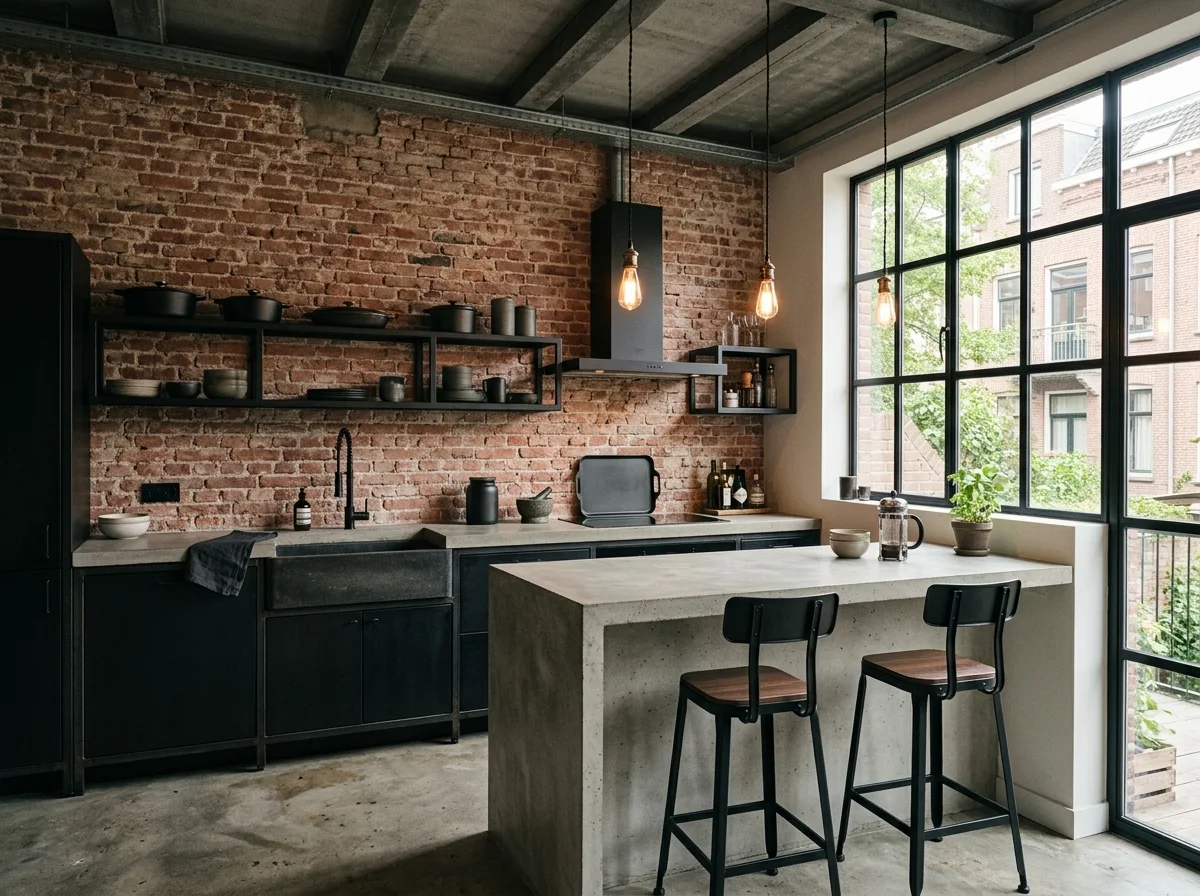
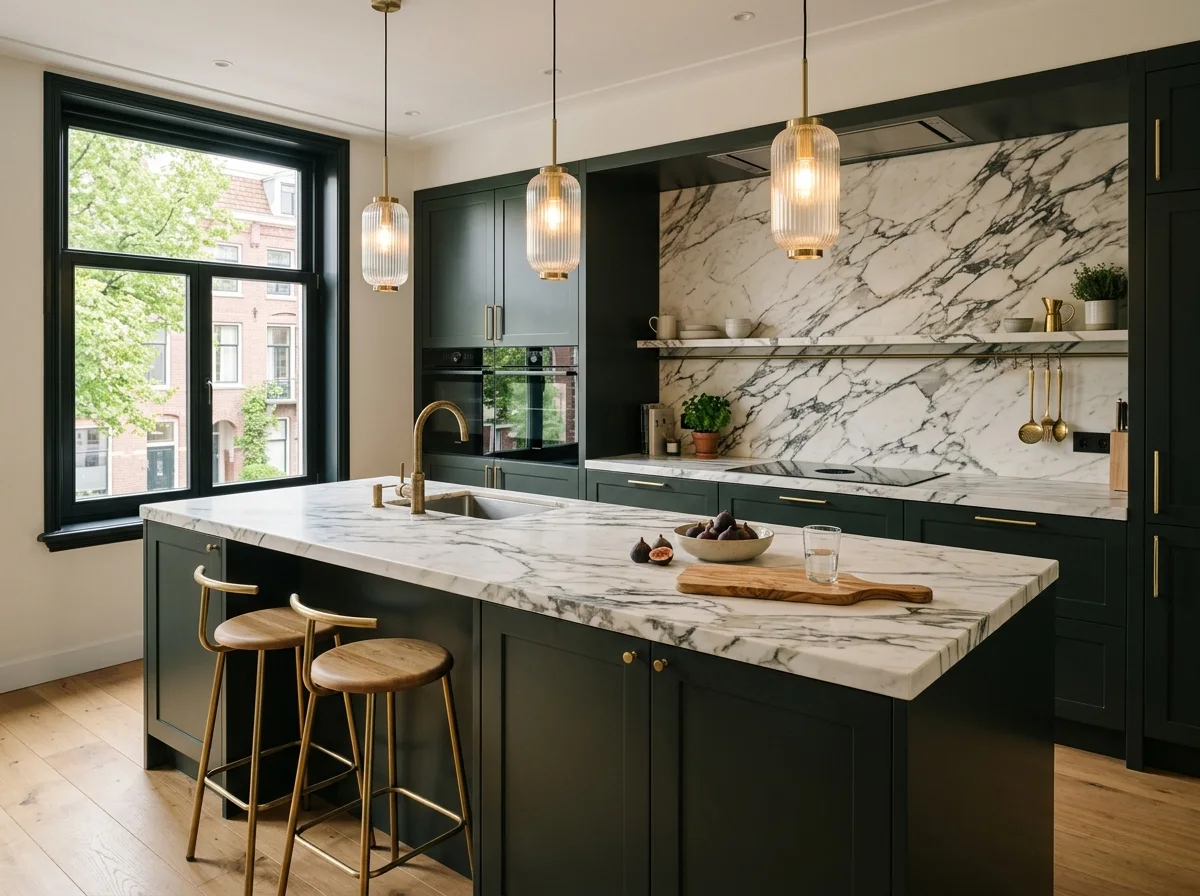
Not quite what you are looking for? Here are the other five directions.
See This Style in Your Own Kitchen
Free to try. Download Kitchen AI and start with a photo.